
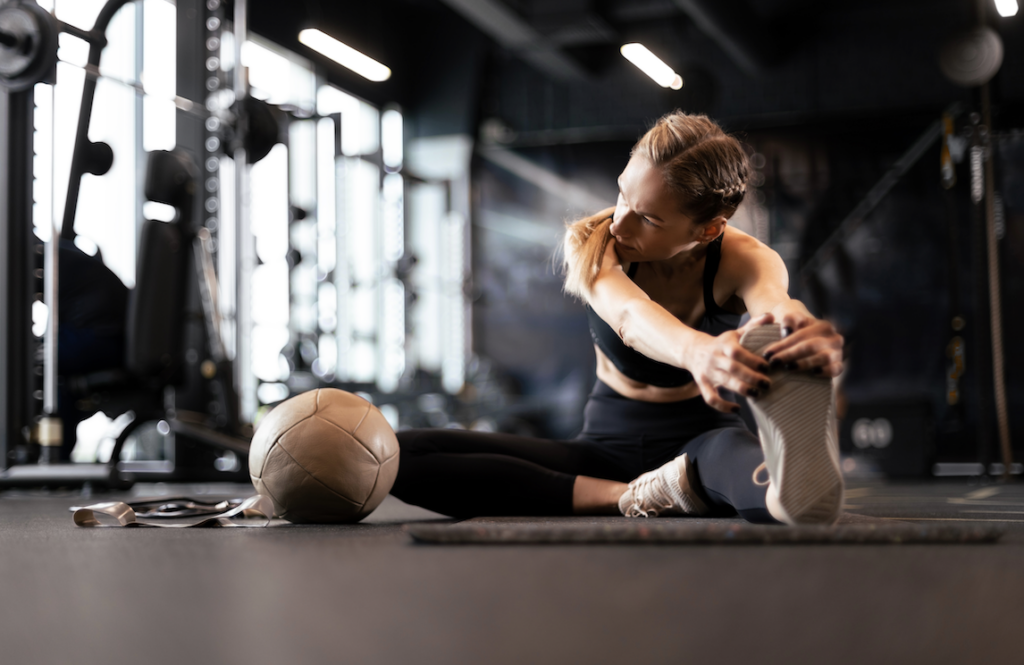
Tight hamstrings can make everyday movements feel harder than they should. Whether you’re bending down to tie your shoes, walking up stairs, or getting through a leg workout, stiffness in the back of your thighs can affect how comfortably you move.
The good news? A few simple hamstring stretches can help improve flexibility and range of motion. You don’t need to be especially flexible to get started, and you don’t need a complicated stretching routine.
At Nick’s Fitness Club in Lubbock, we know that building strength is only one part of staying active. Mobility and flexibility matter, too. Here are six hamstring stretches you can add to your fitness routine.
Why Do Hamstrings Get Tight?
Your hamstrings are a group of three muscles along the back of each thigh. They help bend your knees, extend your hips, and support movements like walking, running, and squatting.
Hamstring tightness can develop for several reasons, including:
- Spending long periods sitting
- Increasing workout intensity too quickly
- Limited flexibility or mobility
- Muscle fatigue after exercise
- Returning to activity after an extended break
If your hamstrings feel tight, you might notice discomfort when bending forward, straightening your legs, or performing certain lower-body exercises.
Regular stretching may help improve flexibility, but persistent tightness or pain can also have other causes that stretching alone won’t resolve.
What Are the Benefits of Hamstring Stretches?
Adding hamstring stretches to your routine can help you move more comfortably during workouts and everyday activities.
Some potential benefits include:
- Improved flexibility: Regular stretching can gradually increase your available range of motion.
- Better mobility: Flexible hamstrings can make movements like bending forward and reaching toward the floor easier.
- Reduced muscle stiffness: Gentle stretching may help relieve the sensation of tightness.
- Improved exercise comfort: Better mobility can make it easier to find comfortable positions during certain exercises.
Stretching isn’t a guarantee against injuries, but it’s a useful part of a balanced fitness routine that includes strength training, cardiovascular exercise, and recovery.
1. Standing Hamstring Stretch
The standing hamstring stretch is an easy option when you don’t want to get down on the floor.
How to do it:
- Stand tall and place one heel slightly in front of you.
- Keep your front leg mostly straight with a slight bend in your knee.
- Bend your supporting knee and hinge forward at your hips.
- Keep your back neutral as you lean forward.
- Hold for 20 to 30 seconds, then switch legs.
Beginner tip: You don’t need to touch your toes. Focus on feeling a gentle stretch along the back of your thigh without rounding your lower back.
2. Seated Hamstring Stretch
This stretch is a great option for beginners because you can perform it while sitting on the floor.
How to do it:
- Sit on the floor with one leg extended in front of you.
- Bend your opposite knee and place that foot near your inner thigh.
- Sit tall and slowly lean forward from your hips.
- Reach toward your extended leg without forcing the movement.
- Hold for 20 to 30 seconds before switching sides.
Beginner tip: If sitting upright is difficult, try placing a folded towel beneath your hips or keeping a slight bend in your extended knee.
3. Lying Hamstring Stretch
If standing stretches feel uncomfortable, try stretching your hamstrings while lying on your back.
How to do it:
- Lie on your back with one knee bent and your foot on the floor.
- Lift your opposite leg toward the ceiling.
- Gently hold behind your thigh.
- Slowly straighten your raised leg as far as comfortably possible.
- Hold for 20 to 30 seconds, then switch legs.
Beginner tip: Keep a slight bend in your raised knee if needed. You should feel a gentle stretch, not pain or tingling.
4. Hamstring Stretch With a Towel
A towel or stretching strap can help you control the movement without reaching toward your toes.
How to do it:
- Lie flat on your back.
- Loop a towel around the middle of one foot.
- Hold both ends of the towel and gently lift your leg.
- Slowly straighten your knee until you feel a comfortable stretch.
- Hold for 20 to 30 seconds and repeat on the opposite side.
Beginner tip: Don’t pull your leg as high as possible. A comfortable stretch is more useful than forcing your body into a position it isn’t ready for.
5. Standing Leg Swings
Unlike the previous stretches, leg swings are a dynamic movement. That means you’re moving through a comfortable range of motion instead of holding one position.
Dynamic movements are especially useful during warm-ups because they help prepare your body for activity.
How to do them:
- Stand beside a stable surface for balance.
- Keep your supporting leg slightly bent.
- Gently swing your opposite leg forward and backward.
- Start with small movements and gradually increase your range of motion.
- Complete 10 to 15 controlled swings before switching legs.
Beginner tip: Avoid kicking your leg aggressively or using momentum to force a bigger movement.
6. Downward Dog Stretch
Downward dog is a familiar yoga position that stretches the backs of your legs while also engaging your shoulders and upper body.
How to do it:
- Start on your hands and knees.
- Place your hands slightly ahead of your shoulders.
- Lift your hips upward and backward.
- Keep your knees slightly bent as you lengthen your spine.
- Gradually straighten your legs as comfortable.
- Hold for 20 to 30 seconds while breathing steadily.
Beginner tip: Your heels don’t need to touch the floor. Focus on keeping your back long rather than forcing your legs completely straight.
How Often Should You Stretch Your Hamstrings?
You don’t need to spend an hour stretching to improve your flexibility.
For many people, stretching two or three days per week is a reasonable starting point. You can also incorporate gentle stretches more frequently if they feel comfortable.
When performing static stretches, aim to hold each position for approximately 20 to 30 seconds without bouncing.
Remember that flexibility takes time. You may not notice a major difference after one session, but consistent stretching can gradually improve your range of motion.
Should You Stretch Before or After a Workout?
Both can be useful, but the type of stretching matters.
Before your workout: Focus on warming up with light cardio and dynamic movements. A few minutes on the treadmill, followed by controlled leg swings, can help prepare your legs for exercise.
After your workout: Try slower, static hamstring stretches while your muscles are warm. This is a good opportunity to focus on flexibility without rushing through the movements.
Avoid forcing a deep stretch when your muscles are cold, and stop if you experience sharp pain, numbness, or tingling.
Can Strength Training Help Tight Hamstrings?
Stretching isn’t the only way to improve how your hamstrings move and function.
Strength training can help develop stronger hamstrings while improving control throughout your available range of motion.
Exercises like Romanian deadlifts, hamstring curls, and certain squat variations can be useful additions to a balanced lower-body routine.
Nick’s Fitness Club offers equipment for lower-body strength training, including free weights, squat racks, and a hamstring curl machine.
Combining appropriate strength training with flexibility work can help you build a more well-rounded fitness routine.
Make Mobility Part of Your Routine at Nick’s Fitness Club
Building a stronger, healthier body isn’t just about lifting heavier weights or spending more time doing cardio. It’s also about being able to move comfortably and confidently.
Whether you’re working on your flexibility, getting back into a workout routine, or looking to improve your lower-body strength, Nick’s Fitness Club has the space and equipment to help you work toward your goals.
With cardio equipment, free weights, strength machines, open turf space, and personal training, there are plenty of ways to incorporate mobility and strength into your workouts.
Ready to get moving? Visit Nick’s Fitness Club in Lubbock and start building a fitness routine that helps you feel stronger, more flexible, and ready for whatever comes next.