
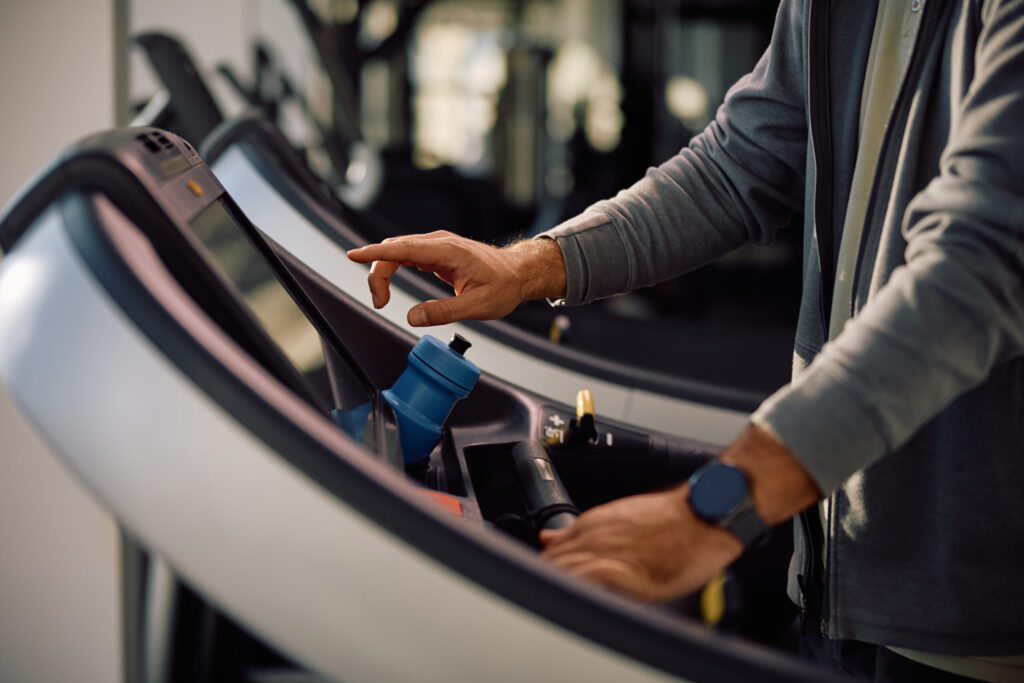
Losing weight is one of the most commonly misunderstood topics in the health industry. From dieting fads to workout challenges, it’s hard to establish a routine and achieve consistent results. Feel more confident with your progress and find out what really works for you with our workout tips.
Set Obtainable Goals for Losing Weight
We’ve all found ourselves on a fitness kick. The momentum feels thrilling at first, but more often than not, we find ourselves burnt out and falling back into old habits. While we all want quick results, it’s not always the most sustainable choice for our lifestyle or goals.
Your fitness routine should work around your lifestyle — not the other way around. Starting in small increments is the most effective approach to building the habit around fitness. For example, if you haven’t worked out in years, exercise for 20 minutes 2 times per week, then build incrementally after two weeks. The goal is to work out at least 150 minutes of moderate-intensity workouts.
So, how much weight can you lose in a month? According to Johns Hopkins Medicine, losing 1/2 to 2 pounds per week is the healthiest approach to weight loss.
Remember: Consistency > Quick Results
Eat Balanced & Healthy Meals
Throw the fad diets out the window. While they promise quick results, ongoing calorie restriction can create an opposite effect than intended. Diets online are made for a cookie-cutter approach, which isn’t always effective for everyone.
Extreme diets can shock your system, leaving you feeling more depleted and fatigued. Every time you restrict or remove certain food groups from your diet, you can deprive your body of nutrients needed to function and maintain weight loss. In turn, your body burns muscle instead of fat, as intended. The body doesn’t want to burn its energy, so weight loss becomes more difficult.
If you’re eating healthy and still not losing weight, look to your caloric intake. One thing about weight loss is clear: you need to be in a calorie deficit to lose weight. The amount of intake calories (calories you consume per day) depends on your height, age, and gender. There are hundreds of calorie calculator tools to help you determine your maintenance calories and goals for eating. Many people calculate their calories using a food scale or a food tracking app like MyFitnessPal. Find what works best for you.
How Do I Change My Diet?
You may be wondering: ‘how do I change my diet?’ Instead, opt for balanced and nutritional meals for sustainable weight loss. Here’s what we recommend:
- Swap for smaller portions or low-calorie options when eating out.
- Smaller portions: eat to the point you’re full, but not overly stuffed. (Tip: eating more protein makes you feel fuller, quicker.)
- Green teas to support fat loss: they’re great for fat loss because it has catechins, polyphenols, and L-theanine, while promoting healthy habits and calmness that prevent overeating.
- Meal prepping for lazy days: this keeps you from ordering overly processed foods and staying in control of what you consume.
Sweet treats can temporarily impact your weight on the scale. Sugar and salt cause your body to retain fluids. In turn, your weight on the scale will seem higher. Remember to eat sugar and salt in moderation and prevent binges for more accurate results on the scale.
Sample Meal Plan
Breakfast (400 calories):
- 2 scrambled eggs with spinach and tomatoes
- 1 slice whole grain toast with avocado
- 1 cup of green tea
Mid-Morning Snack (150 calories):
- Greek yogurt with a handful of berries
Lunch (500 calories):
- Grilled chicken breast (4 oz)
- Mixed green salad with olive oil and lemon dressing
- Quinoa (1/2 cup cooked)
- Steamed broccoli
Afternoon Snack (200 calories):
- Apple slices with 2 tablespoons almond butter
Dinner (450 calories):
- Baked salmon (4 oz)
- Roasted sweet potato (1 medium)
- Green beans sautéed with garlic
Evening Treat (100 calories):
- Small square of dark chocolate or herbal tea
Prioritize Wellness
Wellness plays a major role in weight loss. Sickness can cause your body to retain more fluids, while lack of sleep reduces motivation and increases cravings.
Your mental wellness is important as well. Working out should always feel like a healthy habit, rather than an obsession. Whether it’s talking with a licensed therapist, reading a good book, or starting a nighttime routine, find ways to calm the mind.
Workout Regularly
Many gymgoers believe that they need to work out every day to see results. This type of mindset is unsustainable and can lead to future burnout. Choosing to move your body and improve your health makes a huge difference in your physical and mental well-being. Even 15 minutes can boost mood and improve heart health.
The American Heart Association recommends that healthy adults complete at least 150 minutes of moderate exercise per week. For steady weight loss, you’ll need to change your diet and complete regular workouts to see steady progress. Start with small habits, then add more time that fits your schedule. The goal is to create a healthy habit.
Beginner-Friendly Workouts
There are hundreds of impactful beginner-friendly workouts for maintaining fitness and making exercise feel attainable.
1. HIIT (High Interval Intensity Training)
HIIT training is when you exercise with maximum effort for short bursts, then rest for recovery before repeating. The pattern of this routine has several benefits, including weight loss, building muscle, and improving heart rate variability. Beginners should start with shorter work periods (20-30 seconds) and longer rest periods (40-60 seconds) until they build up endurance.
2. 12-3-30
12-3-30 is a popular treadmill routine that’s low impact, high reward. After several weeks of this routine, many gymgoers see firmer muscle tone, higher stamina, and reduced stress. So how do you do 12-3-30? Each number stands for a specific treadmill setting.
12 represents the incline. 3 represents the speed. 30 represents the amount of time spent on the treadmill. However, you can modify the incline, speed, and duration until you feel comfortable with more intensity. Most beginners start with 12-2.5-20 or 9-3-30. Do whatever feels best for you.
3. Dance Classes
Spice up your routine. Exercise comes in many forms, and dance is one of the most underrated. It’s a focused exercise that improves coordination, builds core strength, and elevates the heart.
Your 30-Day Weight Loss Quick Start Checklist
Week 1: Foundation Building
- ☐ Calculate your maintenance calories using an online calculator
- ☐ Download a food tracking app (MyFitnessPal, LoseIt, or Cronometer)
- ☐ Take starting measurements (weight, waist, hips, photos)
- ☐ Set a realistic goal (1/2 to 2 pounds per week)
- ☐ Schedule 2-3 workout sessions for the week
- ☐ Clean out pantry of trigger foods
- ☐ Stock up on healthy staples (lean proteins, vegetables, whole grains)
Week 2: Building Habits
- ☐ Track everything you eat for 7 days
- ☐ Complete at least 2 beginner workouts (try 12-3-30 or a dance class)
- ☐ Meal prep for 2-3 days
- ☐ Swap one unhealthy habit (ex: soda → water or green tea)
- ☐ Get 7-8 hours of sleep each night
- ☐ Find a workout buddy or accountability partner
Week 3: Gaining Momentum
- ☐ Increase workout frequency to 3-4 times per week
- ☐ Try a new healthy recipe
- ☐ Practice portion control when eating out
- ☐ Add a 15-minute walk on rest days
- ☐ Review and adjust calorie intake if needed
- ☐ Celebrate non-scale victories (more energy, better sleep, clothes fitting better)
Week 4: Creating Consistency
- ☐ Aim for 150 minutes of moderate exercise this week
- ☐ Meal prep for the full week ahead
- ☐ Try a HIIT workout if you’re ready
- ☐ Reassess your goals and progress
- ☐ Take new measurements and photos
- ☐ Plan rewards for hitting milestones (non-food related)
- ☐ Schedule your workouts for the next month
Daily Habits Checklist:
- ☐ Drink 8 glasses of water
- ☐ Eat protein with every meal
- ☐ Fill half your plate with vegetables
- ☐ Move your body for at least 15 minutes
- ☐ Get 7-8 hours of quality sleep
- ☐ Practice stress management (meditation, journaling, or deep breathing)
Common Weight Loss Mistakes to Avoid
1. Cutting Calories Too Low
- The Mistake: Eating fewer than 1,200 calories per day to speed up weight loss.
- Why It Backfires: Your metabolism slows down, you lose muscle mass instead of fat, and you’re more likely to binge later.
- The Fix: Stick to a moderate calorie deficit (500-750 calories below maintenance).
2. Doing Only Cardio
- The Mistake: Spending hours on the treadmill without any strength training.
- Why It Backfires: You lose muscle along with fat, which slows your metabolism over time.
- The Fix: Include 2-3 strength training sessions per week alongside your cardio.
3. Eliminating Entire Food Groups
- The Mistake: Cutting out all carbs, fats, or other food groups completely.
- Why It Backfires: You miss essential nutrients, and it’s unsustainable in the long term.
- The Fix: Focus on portion control and choosing whole, nutritious foods from all food groups.
4. Weighing Yourself Daily
- The Mistake: Obsessing over the scale every single day.
- Why It Backfires: Daily fluctuations from water retention, hormones, and sodium can be discouraging.
- The Fix: Weigh yourself once a week at the same time (morning, after using the bathroom, before eating).
5. Not Tracking What You Eat
- The Mistake: Eyeballing portions and assuming you’re eating the right amount.
- Why It Backfires: Studies show people underestimate calorie intake by 20-50%.
- The Fix: Track your food for at least 2 weeks to understand true portion sizes.
6. Expecting Linear Progress
- The Mistake: Getting discouraged when the scale doesn’t drop every week.
- Why It Backfires: Weight loss isn’t linear—plateaus are normal.
- The Fix: Focus on non-scale victories like energy levels, how clothes fit, and strength gains.
Gyms in Lubbock
Nick’s Fitness Club is a Lubbock gym open 24/7 for you to achieve your weight loss goals. Sign up today to start your free 3-day trial and start your weight loss journey.